


Innova Sleep

Your Body Has Been Trying to Tell You Something

Sleep apnea does not just affect your nights. It affects your energy, your heart, your relationships, and your quality of life. If any of this sounds like you, it is worth taking seriously

1 2 3 4
Insurance Plan Type Contact Info Confirmation

Let's Check Your Coverage

Select your insurance carrier to see if oral appliance therapy is covered

What type of plan do you have?

This helps us verify your specific coverage

You can find this on your insurance card - look for "PPO", "HMO", or similar text

Great News! Your Insurance Is Commonly Accepted

Let's get your coverage details verified

Processing your information...

What Sleep Apnea Actually Is

Most people think sleep apnea just means snoring. The reality is broader. Obstructive sleep apnea is a medical condition where your airway partially or fully collapses during sleep, repeatedly cutting off your oxygen supply. Your brain wakes you just enough to breathe again, and this cycle can happen dozens of times per hour without you ever remembering it. The result is not just poor sleep. It is a body under chronic stress, night after night.

What Is Happening While You Sleep

These are the signs that occur during sleep, often noticed first by a partner or family member.

Loud or Chronic Snoring

Not just occasional snoring. Persistent, disruptive snoring is one of the most consistent signs of airway obstruction during sleep. It often gets louder over time.

Gasping or Choking During Sleep

A partner may notice you suddenly gasp, choke, or go silent mid-breath. These are apnea events. Your airway has closed and your body is fighting to reopen it.

Observed Pauses in Breathing

Breathing stops entirely for seconds at a time. These pauses are a hallmark of obstructive sleep apnea and are often what motivates a loved one to push for evaluation.

Restless Sleep and Frequent Position Changes

When your body cannot breathe properly, it compensates by moving. Constant tossing, repositioning, or waking during the night often traces back to disrupted breathing.

Waking to Use the Bathroom

Nocturia, waking multiple times at night to urinate, is common in sleep apnea. The condition affects hormonal regulation in ways that increase urinary urgency overnight.

Night Sweats

Repeated oxygen drops trigger your nervous system into a stress response. That activation raises your core temperature and can cause significant sweating even in a cool room.

The Toll It Takes After You Wake Up

Sleep apnea's effects do not stay in the bedroom. They follow you through every hour of your day.

Waking Up Unrefreshed

You slept seven or eight hours, but you wake up feeling like you barely rested. Fragmented sleep prevents restorative cycles your body needs.

Persistent Morning Headaches

Overnight drops in oxygen cause blood vessels in the brain to dilate. Many patients wake with dull pressure-type headaches.

Excessive Daytime Sleepiness

Falling asleep in meetings, while reading, or even at the wheel is a documented consequence of fragmented overnight sleep.

Difficulty Concentrating and Brain Fog

Untreated sleep apnea frequently affects memory, focus, word retrieval, and decision-making throughout the day.

Mood Changes and Irritability

Chronic sleep disruption alters emotional regulation and can increase irritability, frustration, and depressive symptoms.

Dry Mouth or Sore Throat in the Morning

When the airway obstructs, the body compensates through mouth breathing, often causing dryness and throat irritation by morning.

Health and Long-Term Risks

Why Untreated Sleep Apnea Is a Medical Problem, Not Just a Sleep Problem

Sleep apnea is not a comfort issue. It is a cardiovascular, metabolic, and neurological condition that compounds in severity when left untreated. These are the health risks that make early evaluation and treatment essential.
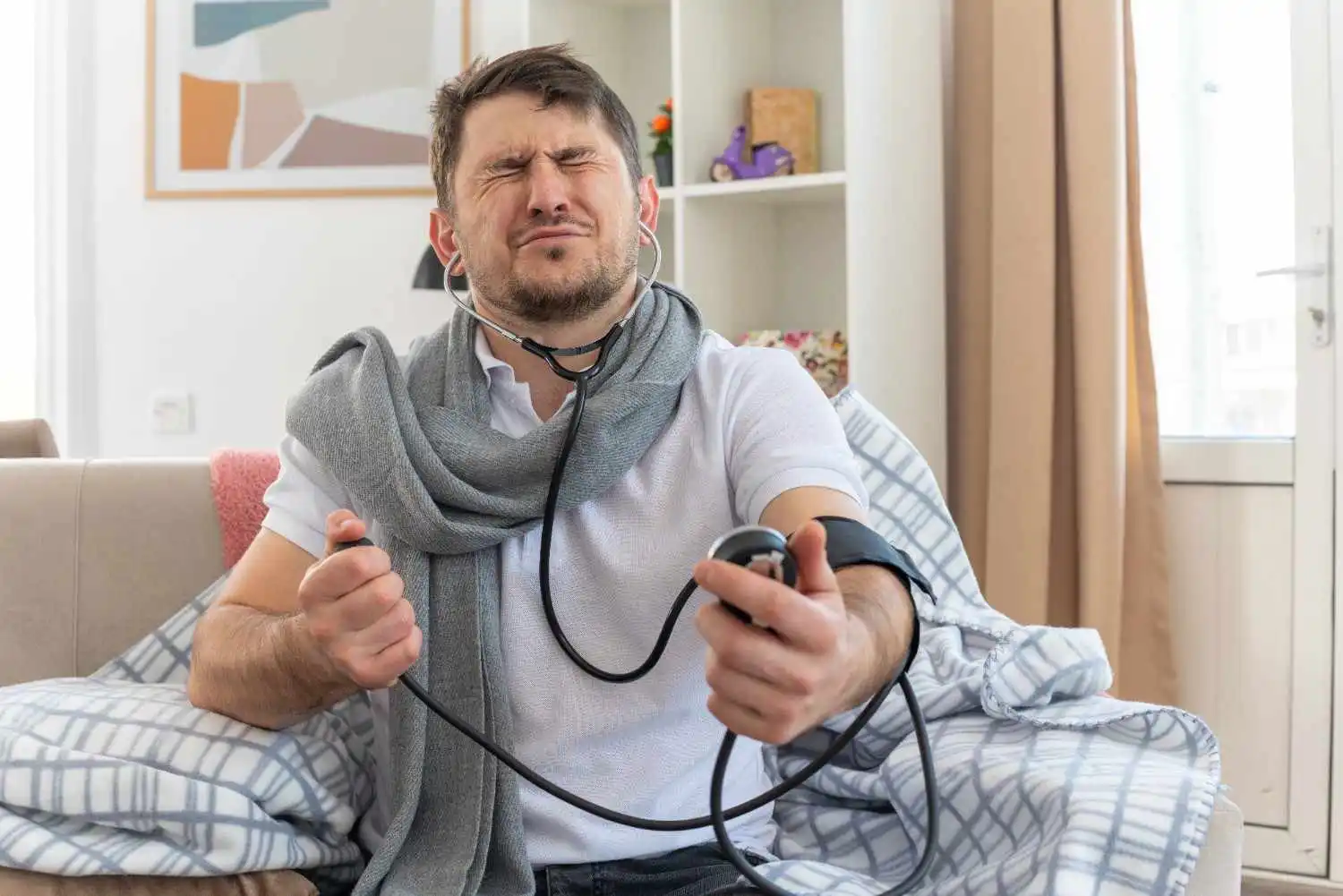
High Blood Pressure

Repeated oxygen deprivation activates your sympathetic nervous system repeatedly through the night. Over time, this drives sustained elevations in blood pressure that are difficult to control with medication alone.

Increased Risk of Heart Attack and Stroke

Studies consistently link untreated obstructive sleep apnea with elevated risk of atrial fibrillation, coronary artery disease, heart failure, and stroke.
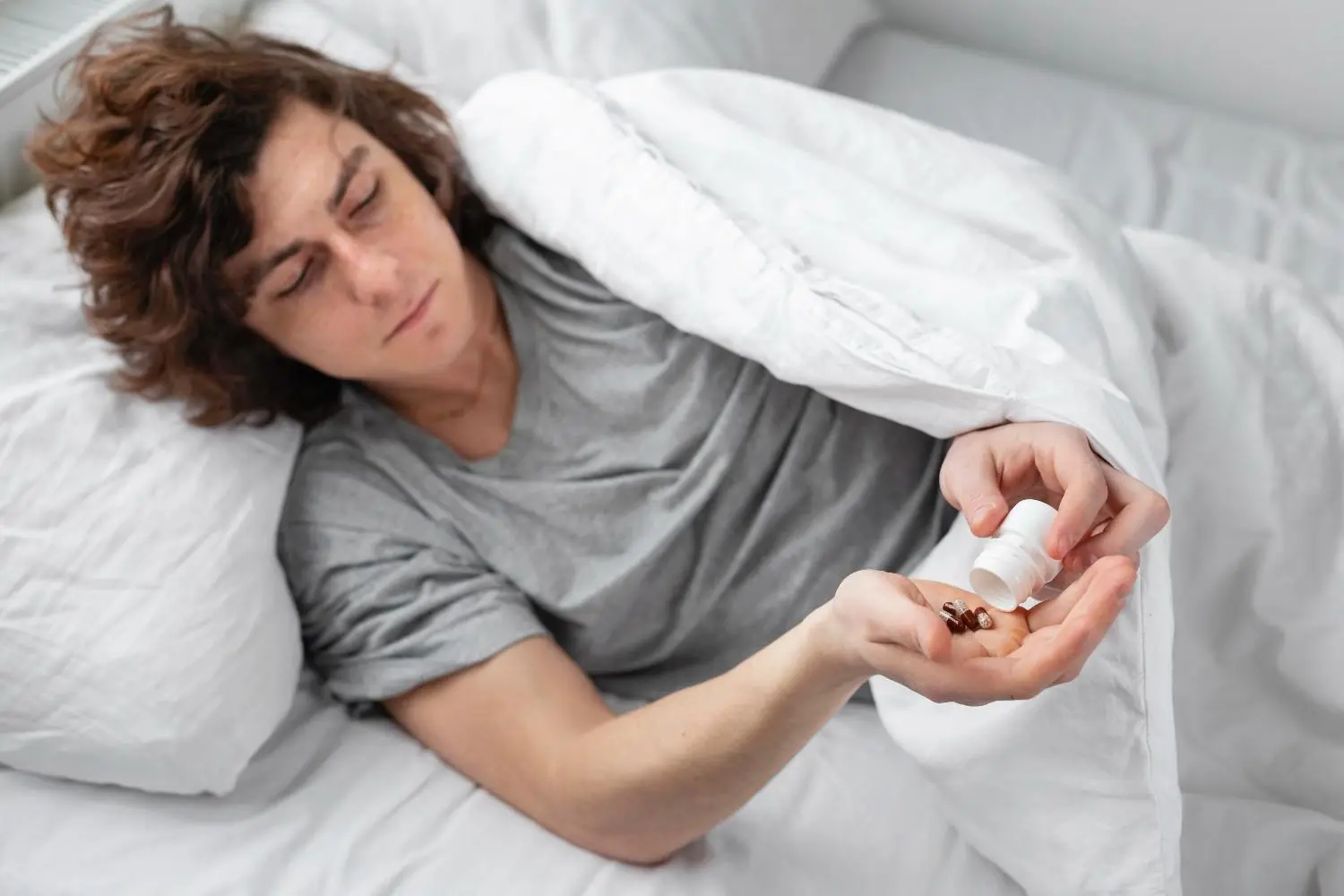
Type 2 Diabetes and Insulin Resistance

Sleep apnea disrupts glucose metabolism and impairs insulin sensitivity. The connection between obstructive sleep apnea and metabolic disease is well established.

Weight Gain and Difficulty Losing Weight

Poor sleep disrupts the hormones that regulate hunger and satiety, making weight management significantly harder over time.
Worsening of Anxiety and Depression

The relationship between sleep apnea and mental health is bidirectional. Untreated apnea can worsen emotional and psychological symptoms.
Cognitive Decline

Emerging research suggests chronic intermittent hypoxia may accelerate cognitive aging and increase memory-related risks over time.
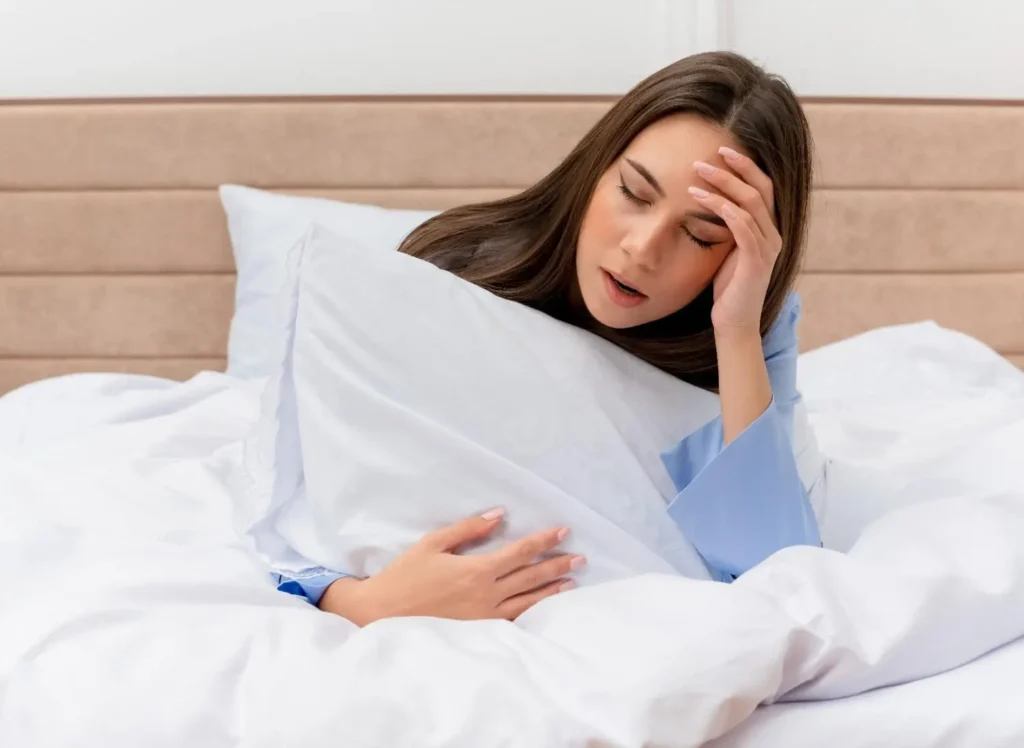
Already Tried CPAP?

CPAP Is Not the Only Answer

Many patients arrive here having already attempted CPAP therapy. The machine worked in theory, but compliance was another matter. These are the experiences that commonly drive patients to look for an alternative.

Mask Discomfort and Pressure Sores

Straps, seal pressure, and constant contact make the mask unbearable for many patients, particularly those who move during sleep or sleep on their sides.

Claustrophobia or Anxiety With the Mask

Some patients cannot tolerate the sensation of wearing a mask, regardless of fit adjustments. This is a recognized barrier to CPAP compliance.

Noise Disrupting Sleep Further

The machine itself, or airflow sound, keeps patients or their partners awake. Poor sleep with CPAP can sometimes rival poor sleep without it.

Dry Mouth, Nasal Congestion, or Throat Irritation

Many patients still experience persistent dryness, congestion, or irritation that makes consistent use difficult.

Traveling With the Machine

The equipment, power requirements, and distilled water dependency make CPAP a significant burden for regular travelers.

You Simply Stopped Using It

If the machine sits unused, your apnea is still active. You still need treatment.

When Should You Get Evaluated?

If you recognise three or more of the symptoms above, or if you have already been diagnosed with sleep apnea but have not found a treatment you can consistently use, an evaluation is the right next step.

A formal diagnosis requires a sleep study. If you have not had one, that is part of the process. If you have an existing diagnosis and a prior sleep study on file, treatment can often begin more quickly.

Stop Managing Symptoms. Treat the Cause.

An evaluation at Innova Sleep Institute starts with understanding your full picture: your symptoms, your history, your prior treatment attempts, and your insurance coverage. From there, a clinical pathway is built around you

1 2 3 4
Insurance Plan Type Contact Info Confirmation

Let's Check Your Coverage

Select your insurance carrier to see if oral appliance therapy is covered

What type of plan do you have?

This helps us verify your specific coverage

You can find this on your insurance card - look for "PPO", "HMO", or similar text

Great News! Your Insurance Is Commonly Accepted

Let's get your coverage details verified

Processing your information...